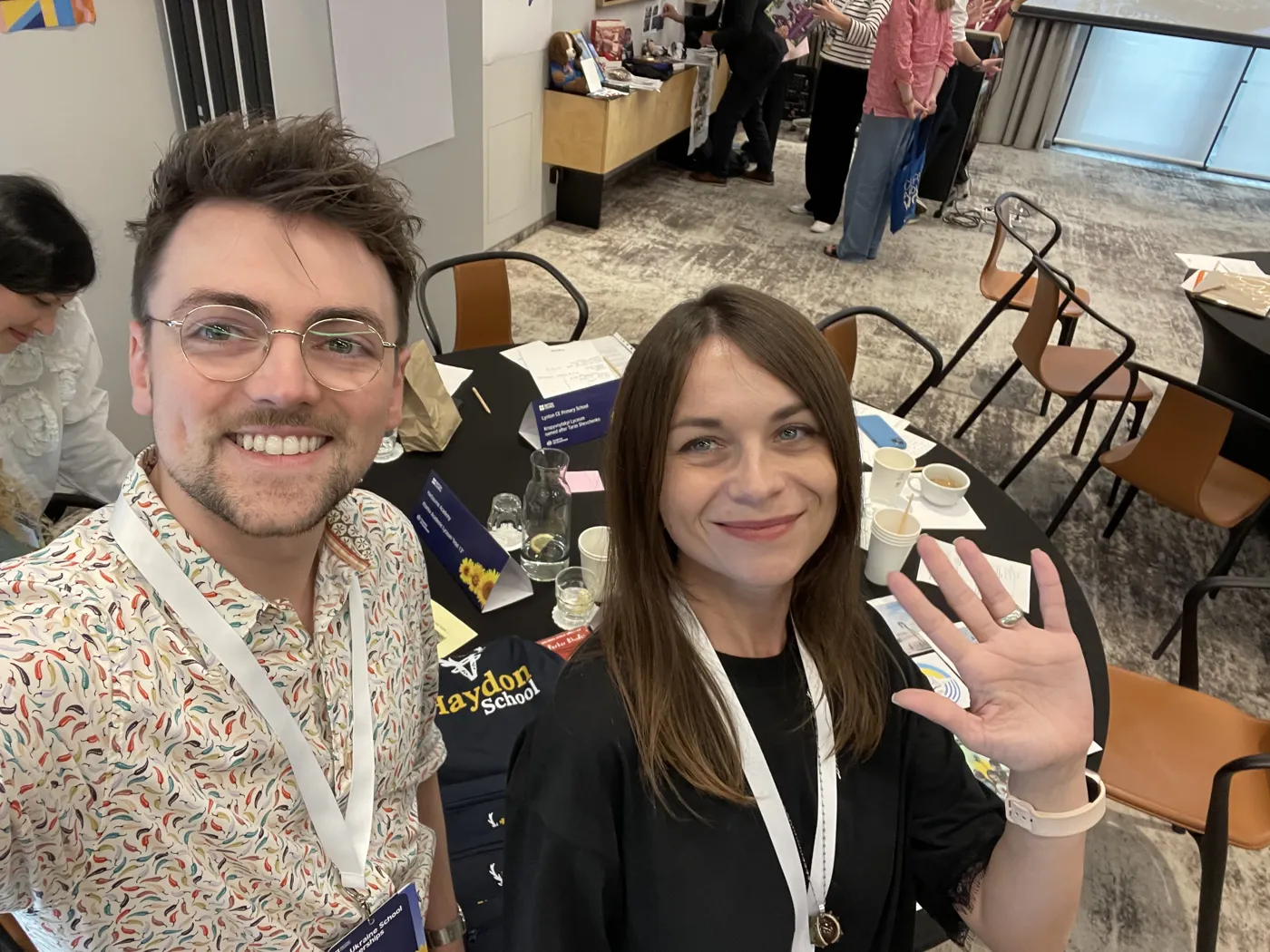

Sixty pupils at Haydon School and Kherson Gymnasium 16, taught online for four years, will swap letters, books and recipes, then make a book of their work.
Pupils at Haydon School in Eastcote are to spend this school year reading alongside children at a school in Kherson, Ukraine, whose building has been damaged and whose lessons have been entirely online for four years. By the end of the year both groups will have made a book of their shared work, and every pupil taking part, in Hillingdon and in Ukraine, will get a copy.
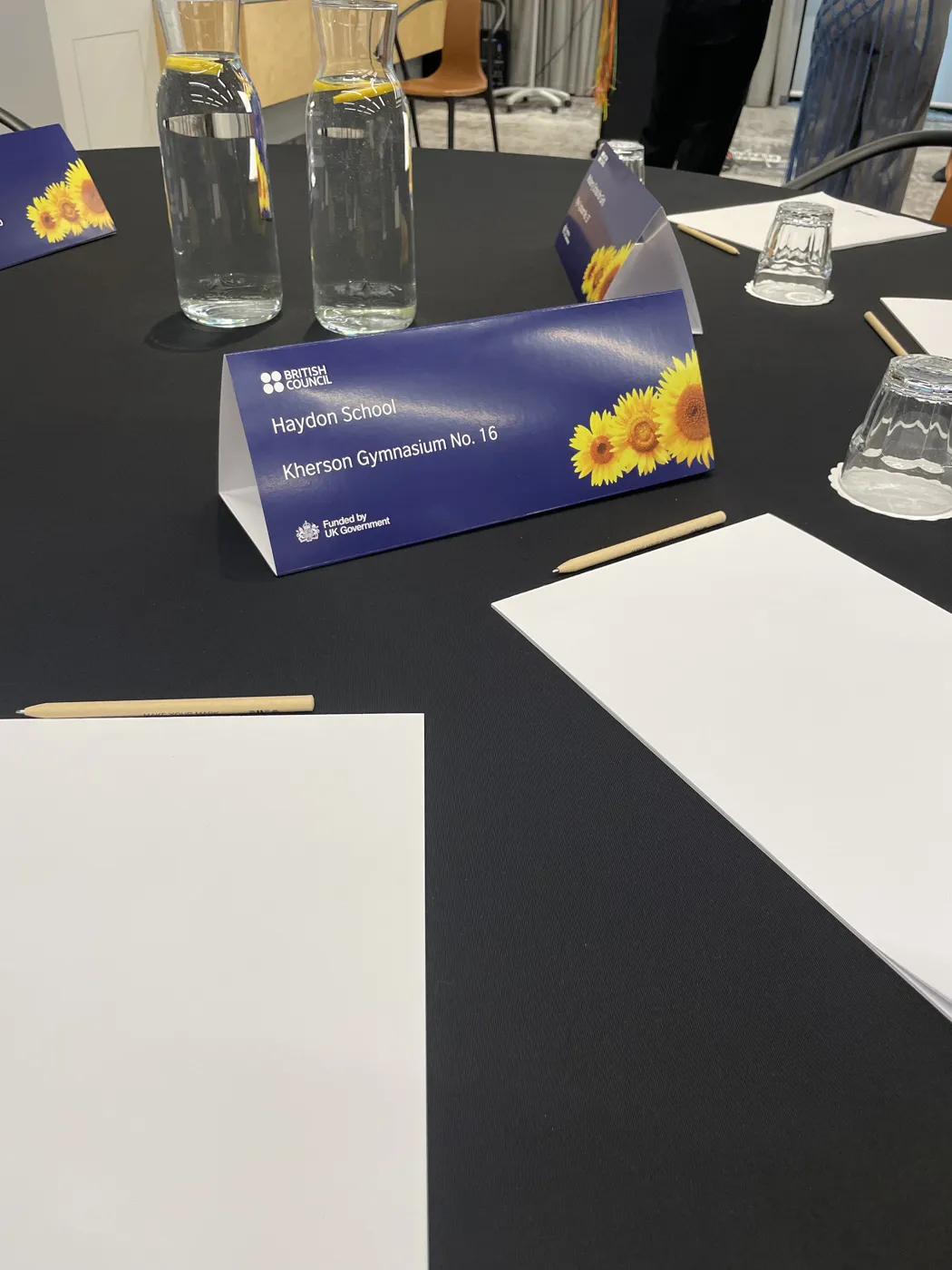
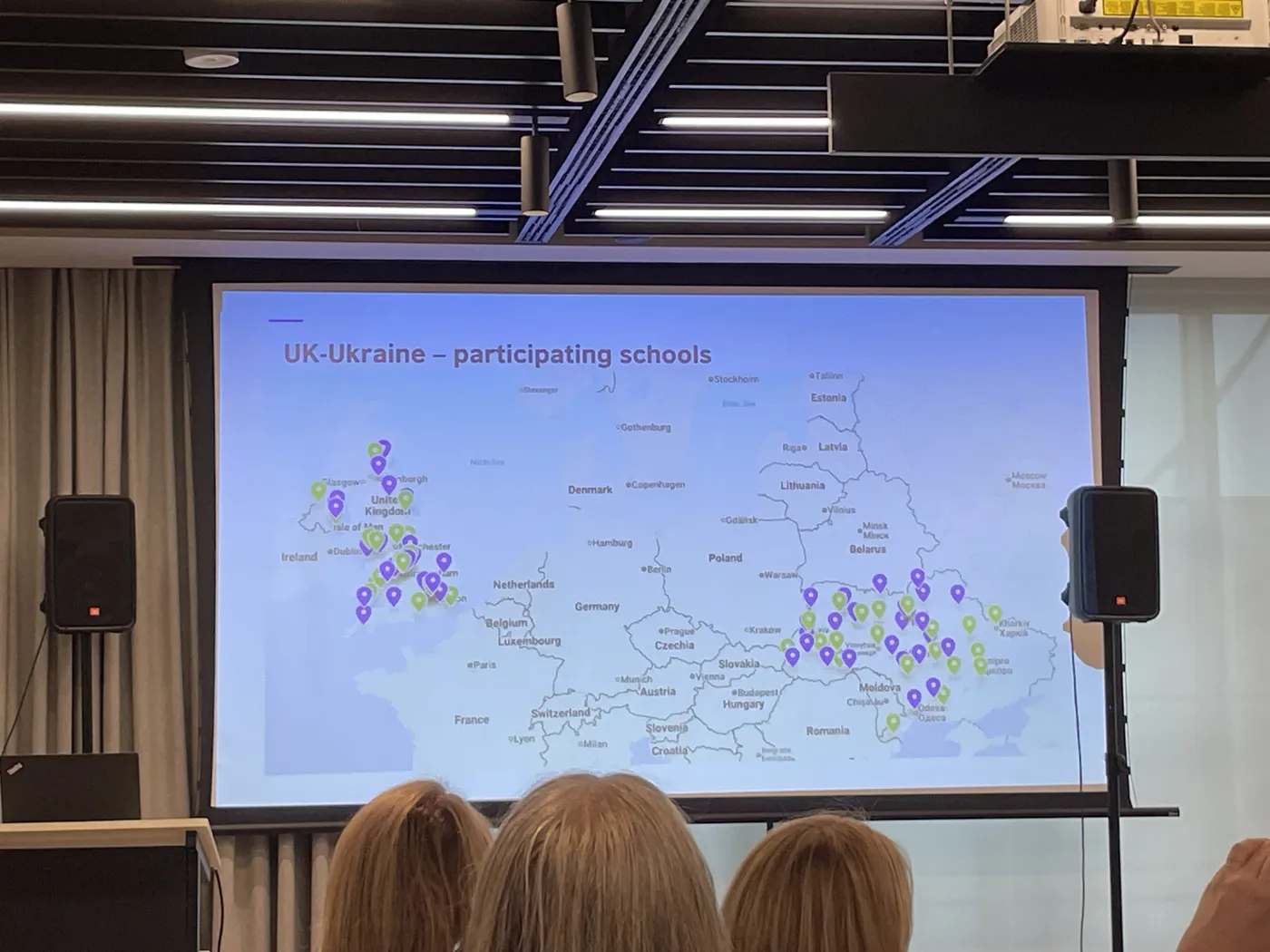
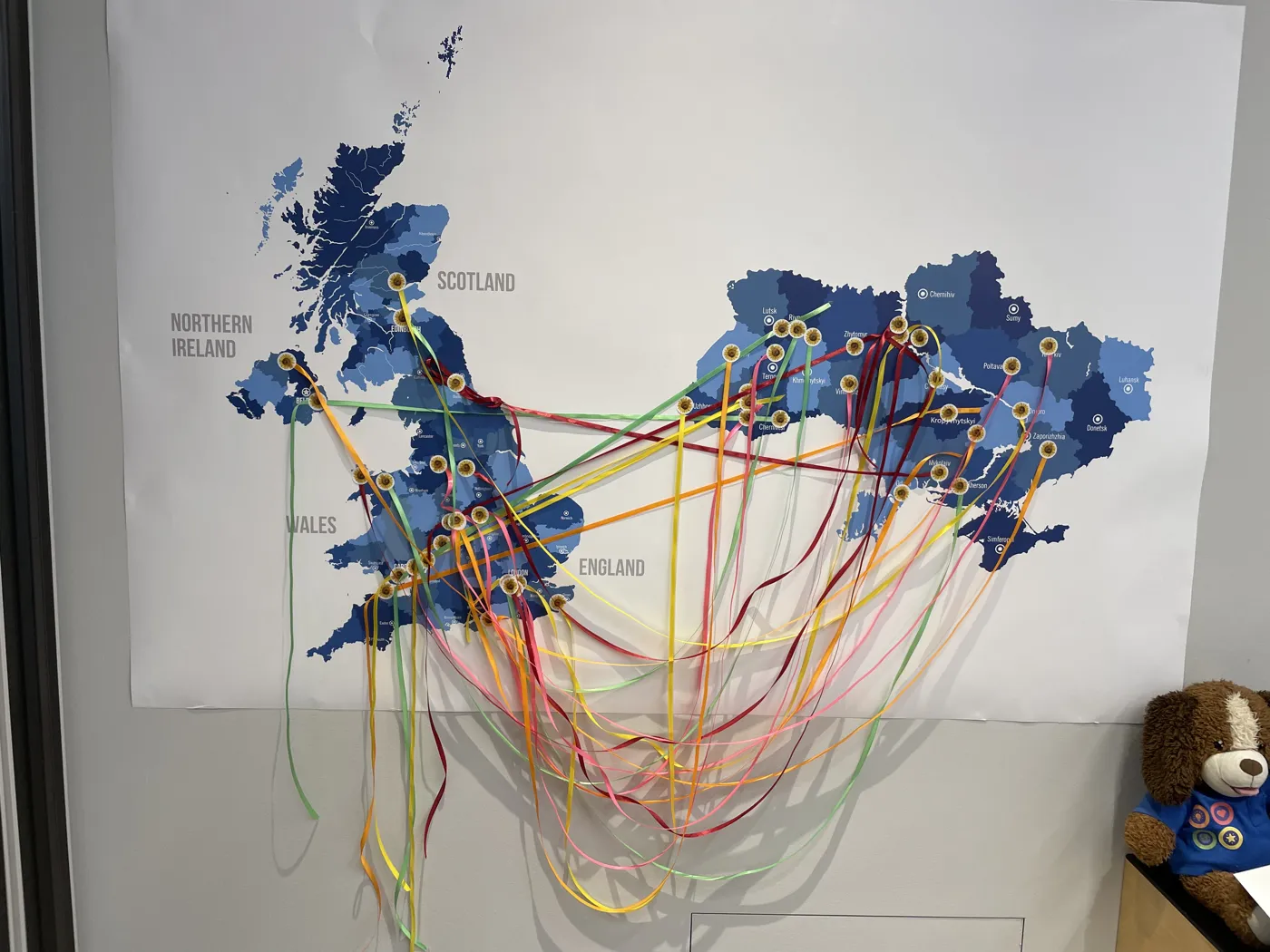
The link comes through the British Council’s UK-Ukraine School Partnerships programme, which matched Haydon with Kherson Gymnasium 16. A Haydon teacher, Mr S Matton, has just returned from a two-day conference in Krakow, Poland, where he met his opposite number from the Ukrainian school, Inna, and the two of them planned the year.
“A privilege to represent Haydon”
Haydon answered our questions in writing. Mr Matton said:
“The opportunity to help students develop a love of reading while connecting with young people in very different circumstances was particularly appealing. It has been a privilege to represent Haydon School in the programme.”
On what happened in Krakow, he said:
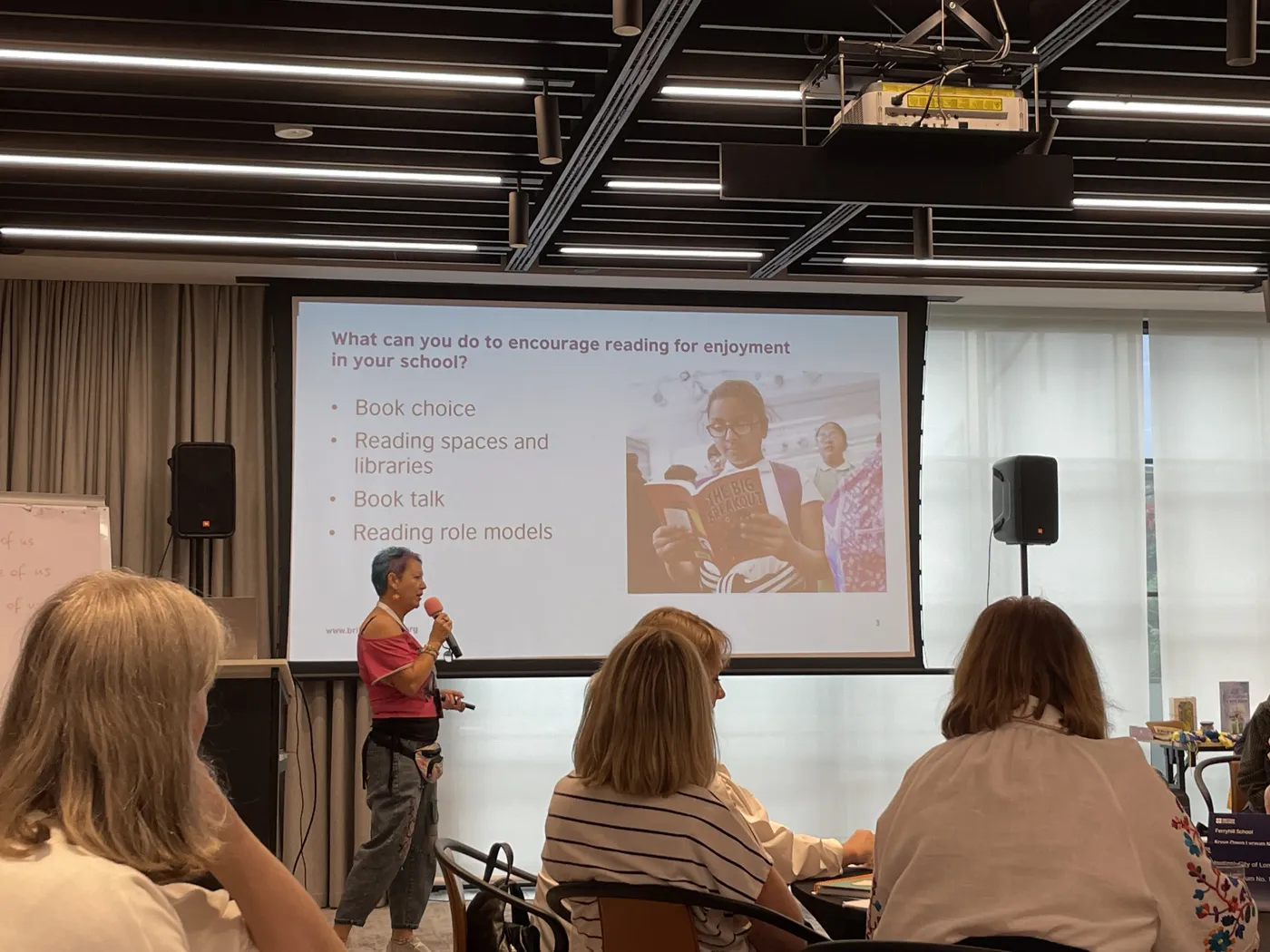
“I attended a two-day conference in Krakow with Inna, representing our partner school, Kherson Gymnasium 16. Through workshops led by the British Council, the National Literacy Trust and trauma-sensitive education practitioners, we explored how to collaborate on reading for pleasure. We also shared our school experiences and developed a timeline of joint activities.”
A school taught online for four years
Kherson Gymnasium 16 is in the Kherson region of Ukraine. The British Council made the match. Mr Matton said:
“Inna explained that damage to the school building and ongoing danger have meant teaching has been entirely online for the past four years, with students and staff dispersed for safety. Meeting in Krakow gave us the opportunity to get to know each other, share our schools’ histories, and begin planning together.”
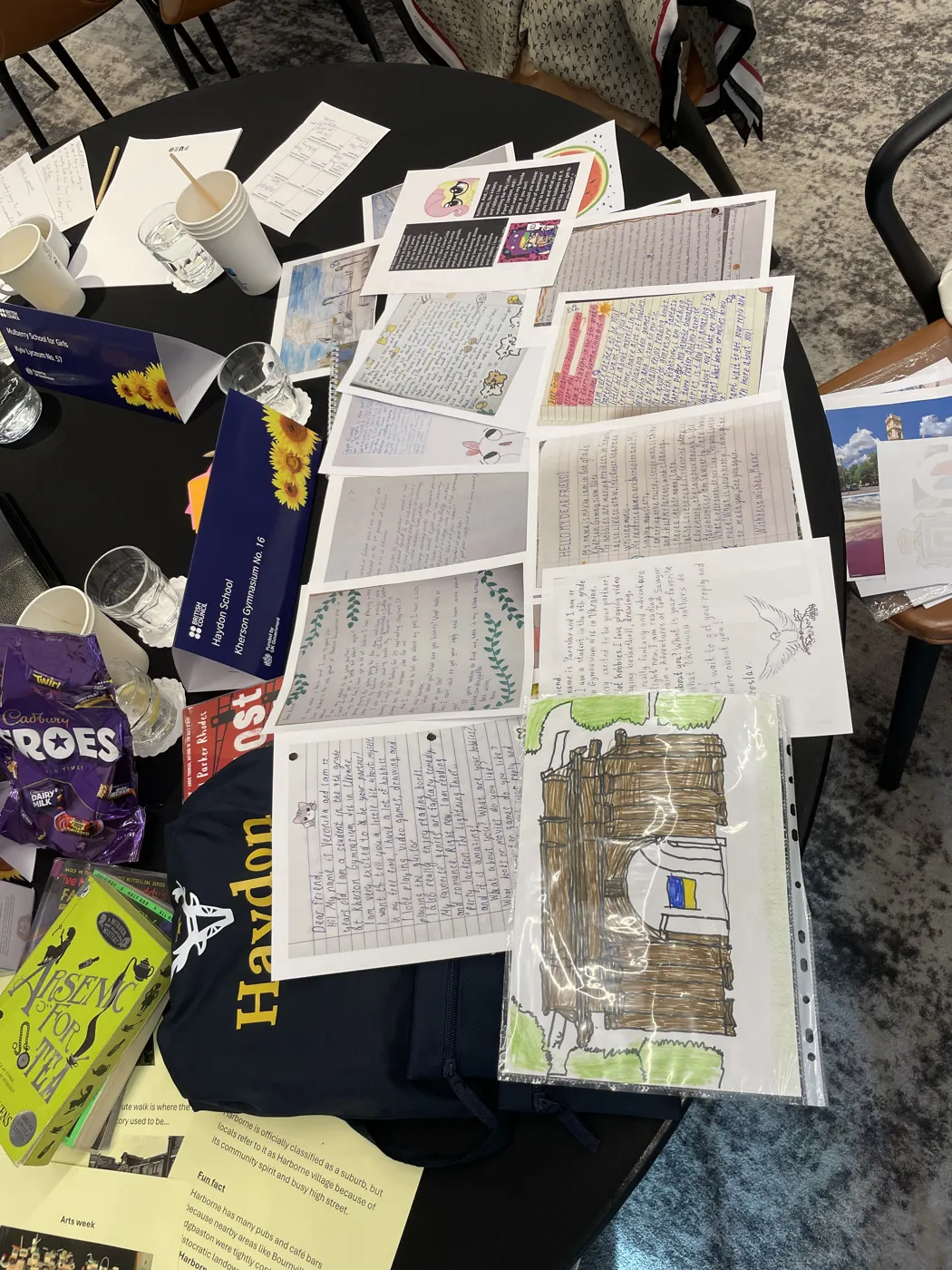
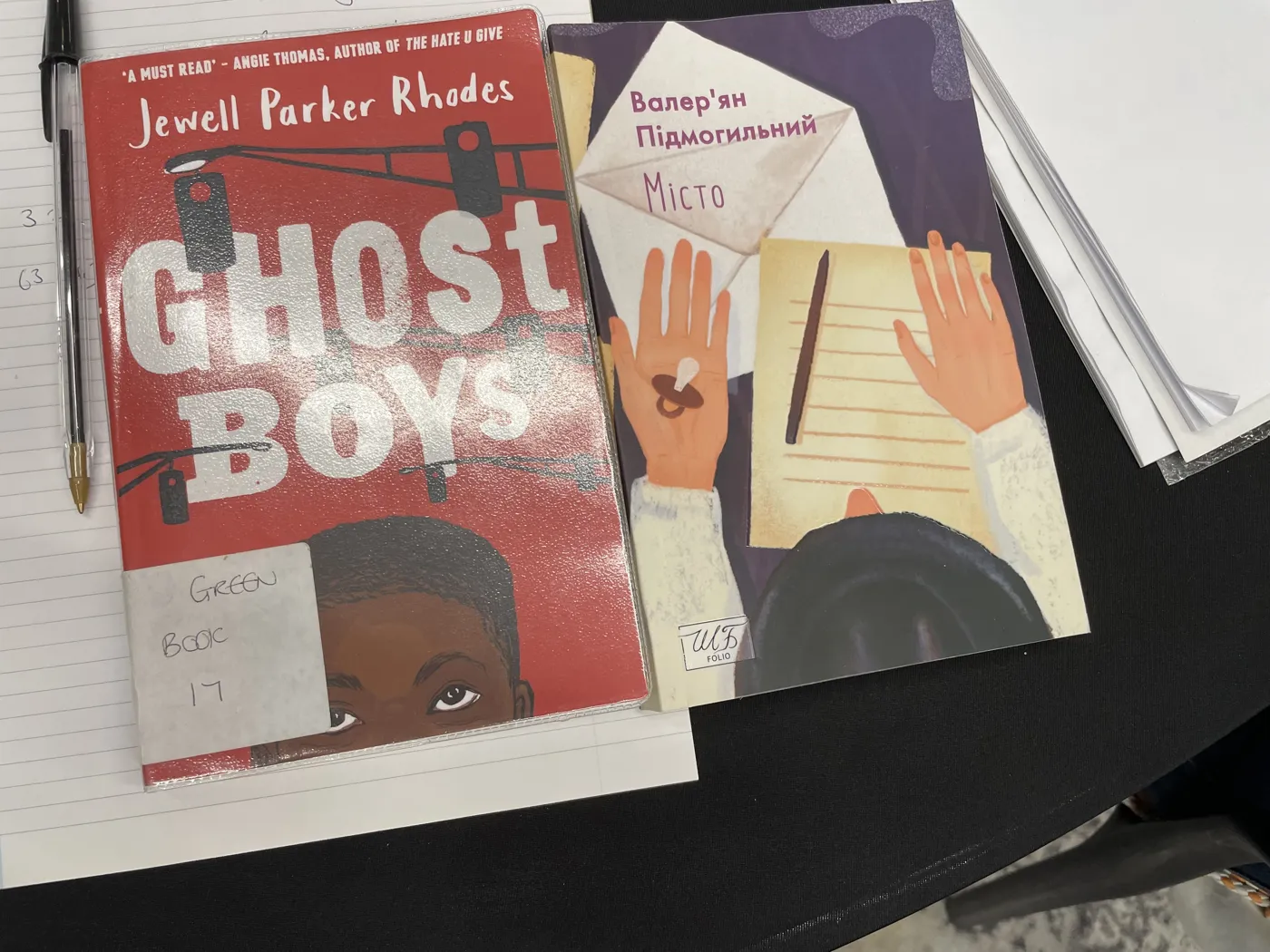
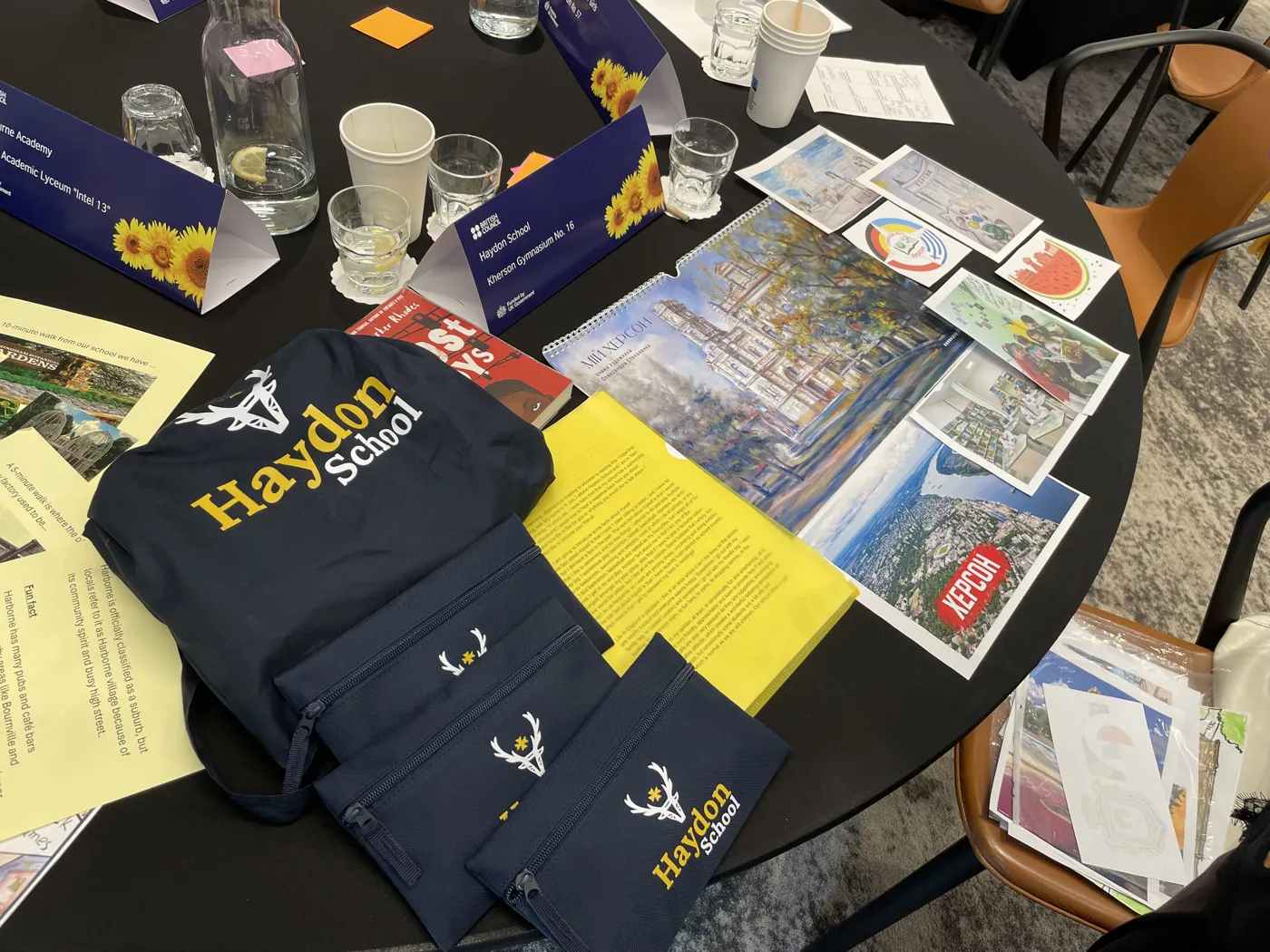
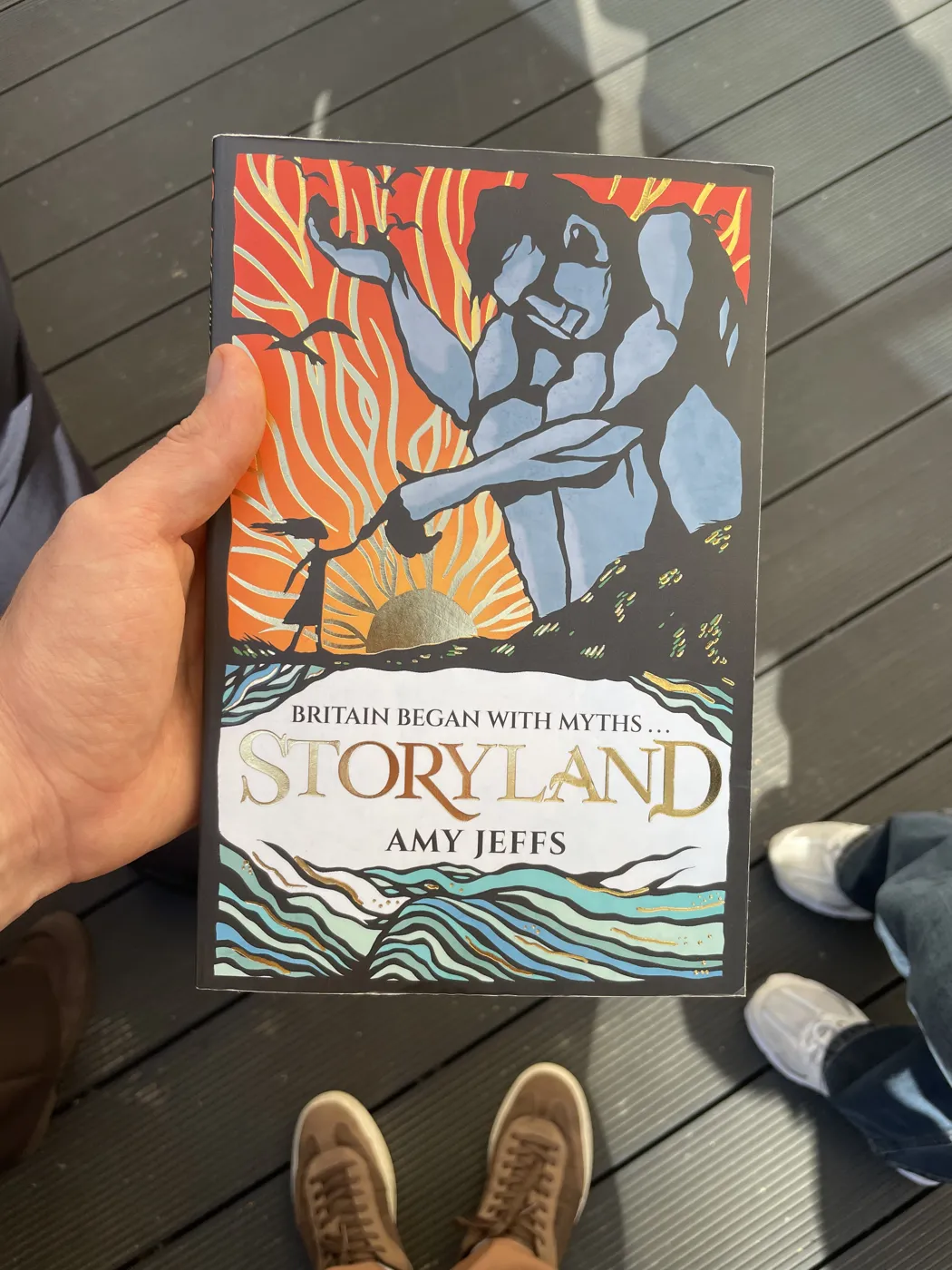
The first exchange has already happened. Mr Matton took letters from his Year 11 class, 11Y1/E, and Inna brought letters from her pupils. He also handed over a copy of Ghost Boys, a novel Haydon’s Year 7 pupils read.
What the pupils will do
Kherson Gymnasium 16 has only about 200 pupils, so 30 of them, aged 11 to 14, have been chosen to take part. Haydon will put forward 30 of its own, from Years 7 to 10, including some of the original Year 11 letter writers. In Mr Matton’s words:
“The project will use reading to help students share their experiences, learn about each other’s cultures and build connections between our schools. Inna and I have agreed on a timeline of activities and identified the groups we would like to involve.”
“We will be recommending books to each other, creating art and projects inspired by our shared reading, exchanging recipes and ultimately creating a book composed of our shared work over the course of the year, which every student participating in the project will get, both here and in Ukraine.”
Air raid alerts on silent
Asked what stayed with him from working with the Ukrainian teachers, Mr Matton said:
“Their perseverance and determination to keep teaching in such difficult circumstances stayed with me most. At the start of the conference, the Ukrainian teachers were asked to silence their air raid alerts so that they would not cause panic in the venue. It was a powerful reminder of the reality they live with every day.”
“Inna’s journey to Poland took 26 hours by bus, including an eight-hour wait at the border. Hearing about her students learning online and the damage to her school put our own circumstances into perspective. Yet alongside these experiences, there was warmth, friendship and enthusiasm for what we could achieve together. The handwritten letters from her students were particularly special.”
Why reading for pleasure
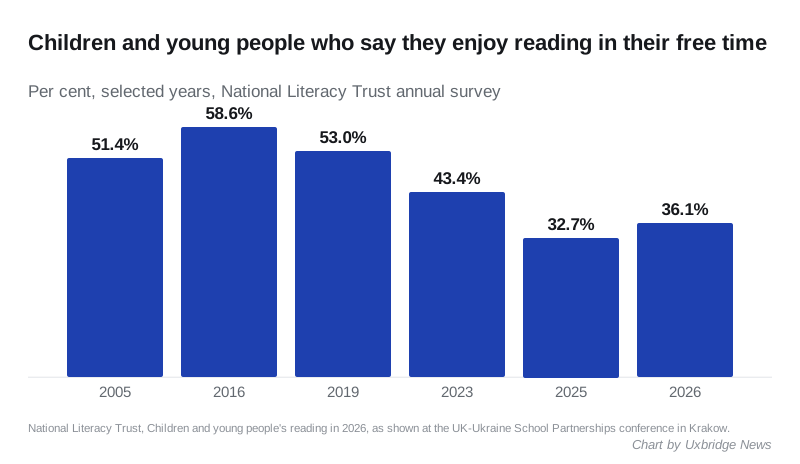
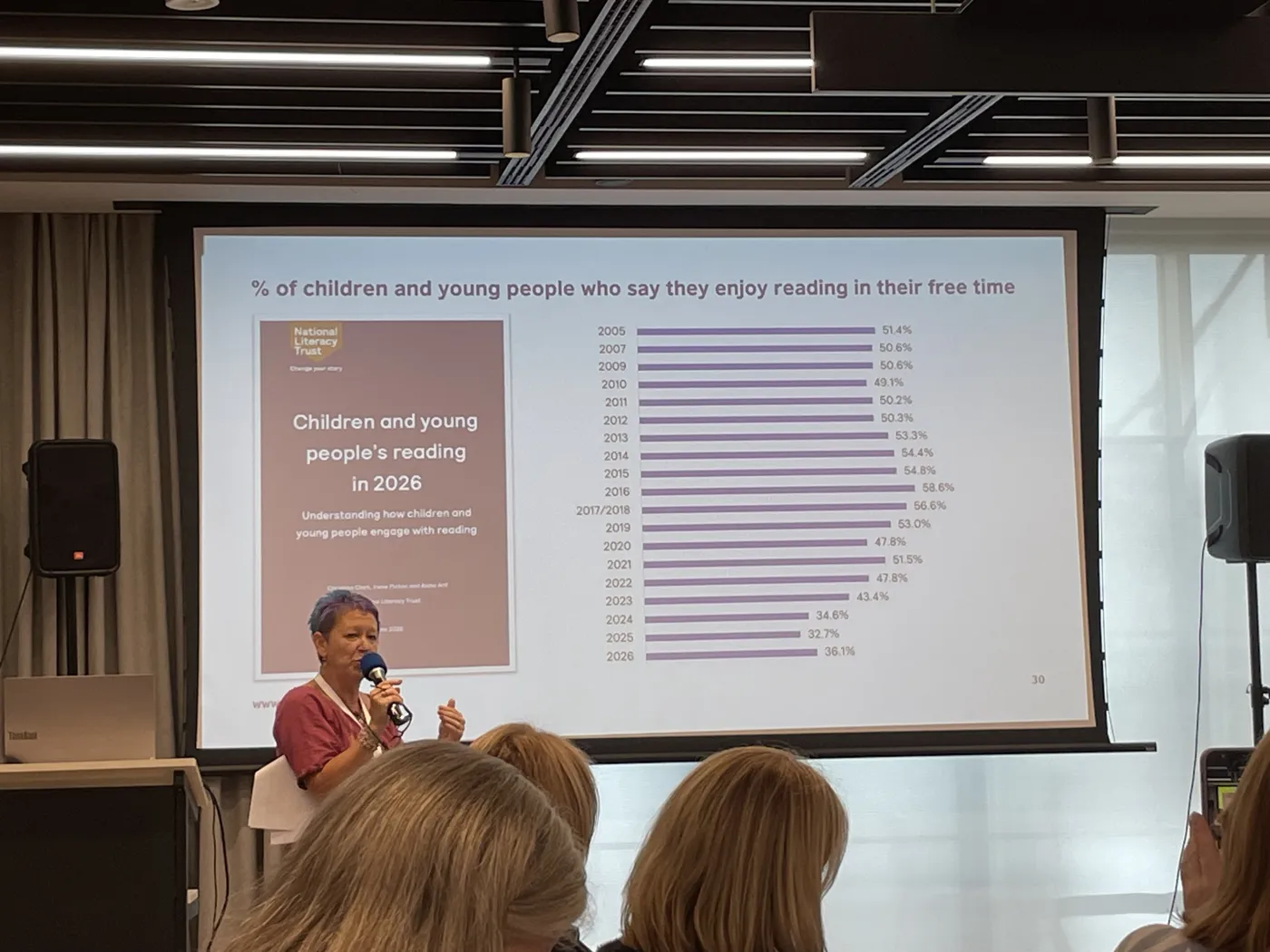
The workshops in Krakow were built around reading for enjoyment. One slide shown by the National Literacy Trust, from its report Children and young people’s reading in 2026, put the share of children and young people who say they enjoy reading in their free time at 36.1% in 2026. It was 51.4% in 2005, peaked at 58.6% in 2016, stood at 53.0% in 2019 and 43.4% in 2023, and fell to 32.7% in 2025 before this year’s small rise.
What comes next
Mr Matton and Inna have a Zoom call booked for late October to check on the first stages. He said:
“Our next step is to put the timeline we developed in Krakow into practice and begin the joint activities with our students. By Christmas, the students will have exchanged short story recommendations, read works from each other’s culture, shared festive traditions and recipes, and ultimately made contact over Zoom.”
“The partnership is only just beginning, but we are excited about its potential to develop students’ love of reading while helping them build connections with young people whose lives are very different from their own.”
What it means for you
If your child is at Haydon School in Years 7 to 10, they may be among the 30 pupils taking part: Mr Matton and Inna have already picked the groups. By Christmas those pupils should have swapped story recommendations and recipes with their Kherson partners and met them over Zoom.
For the wider school year in the borough, see our Hillingdon term dates for 2026/27, with half term running from 26 to 30 October.
Scenes from the conference
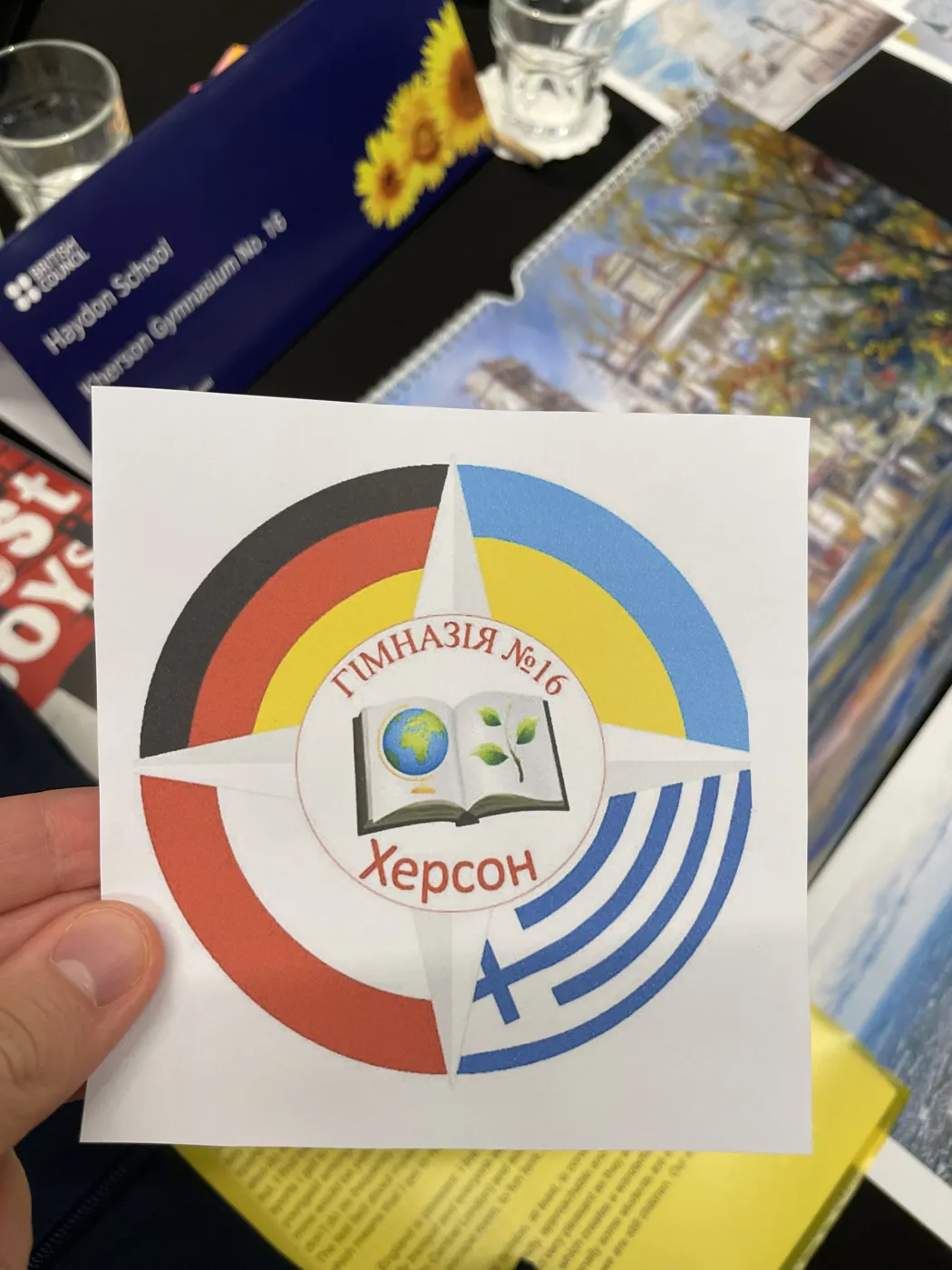
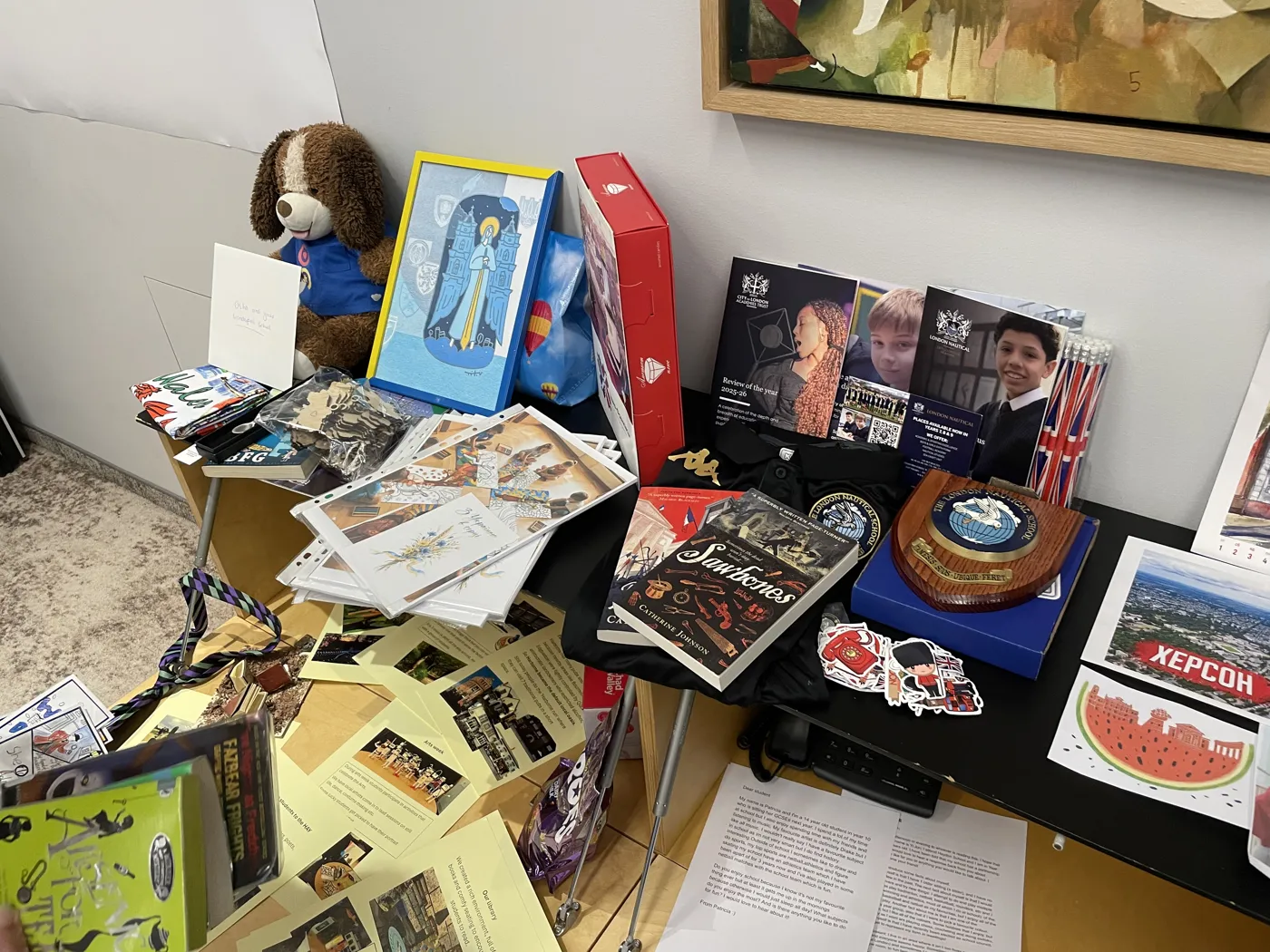
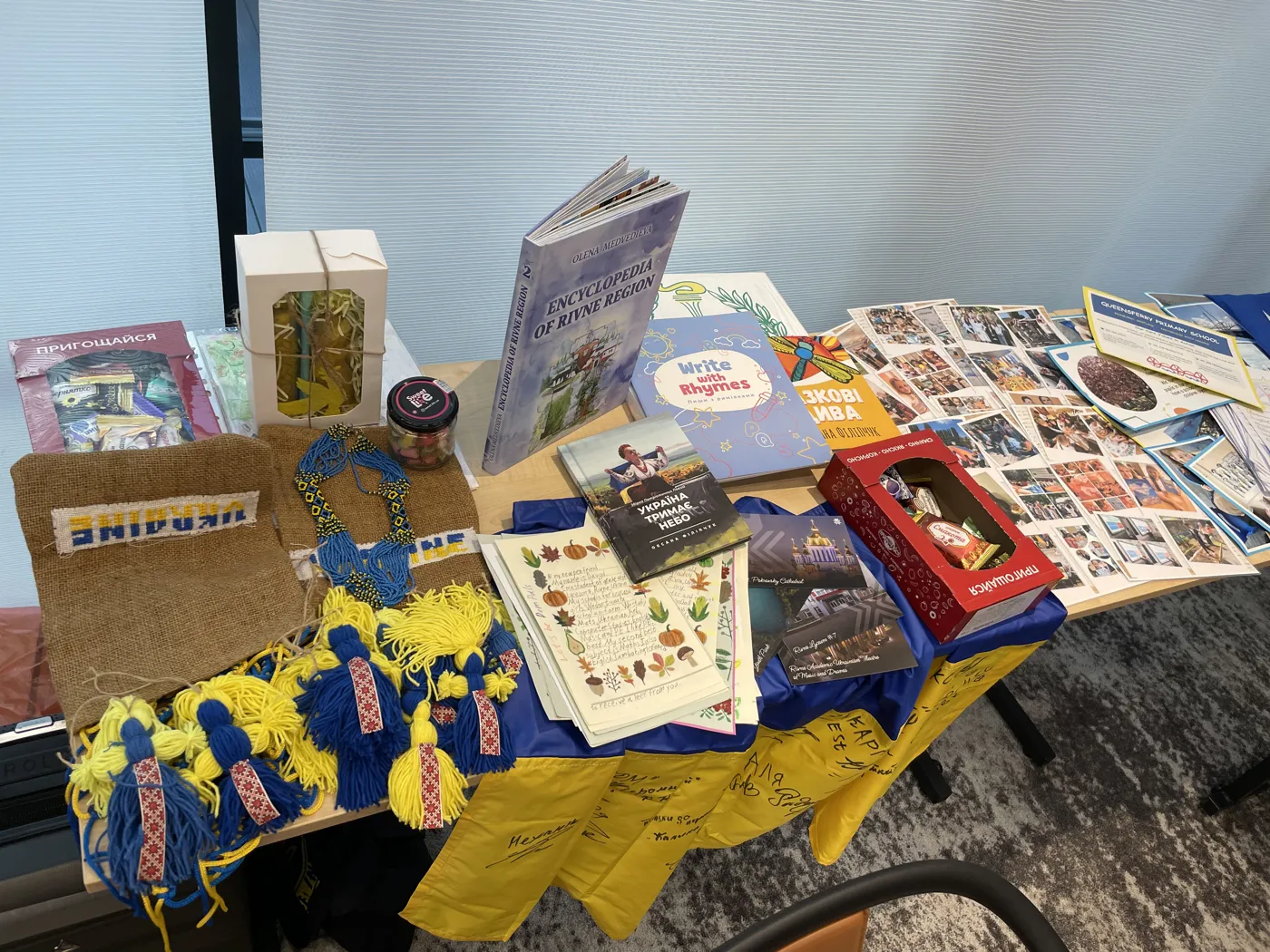
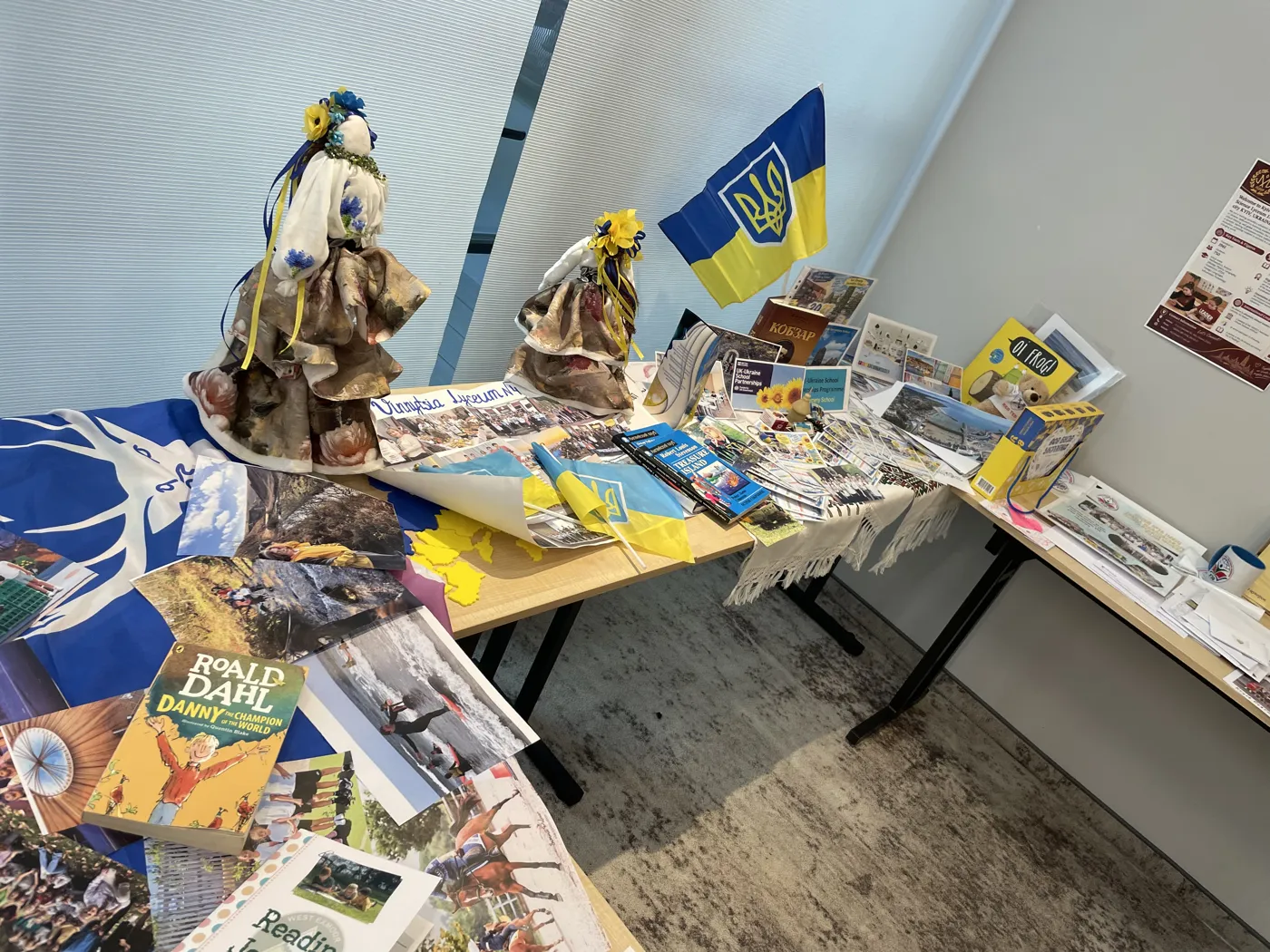
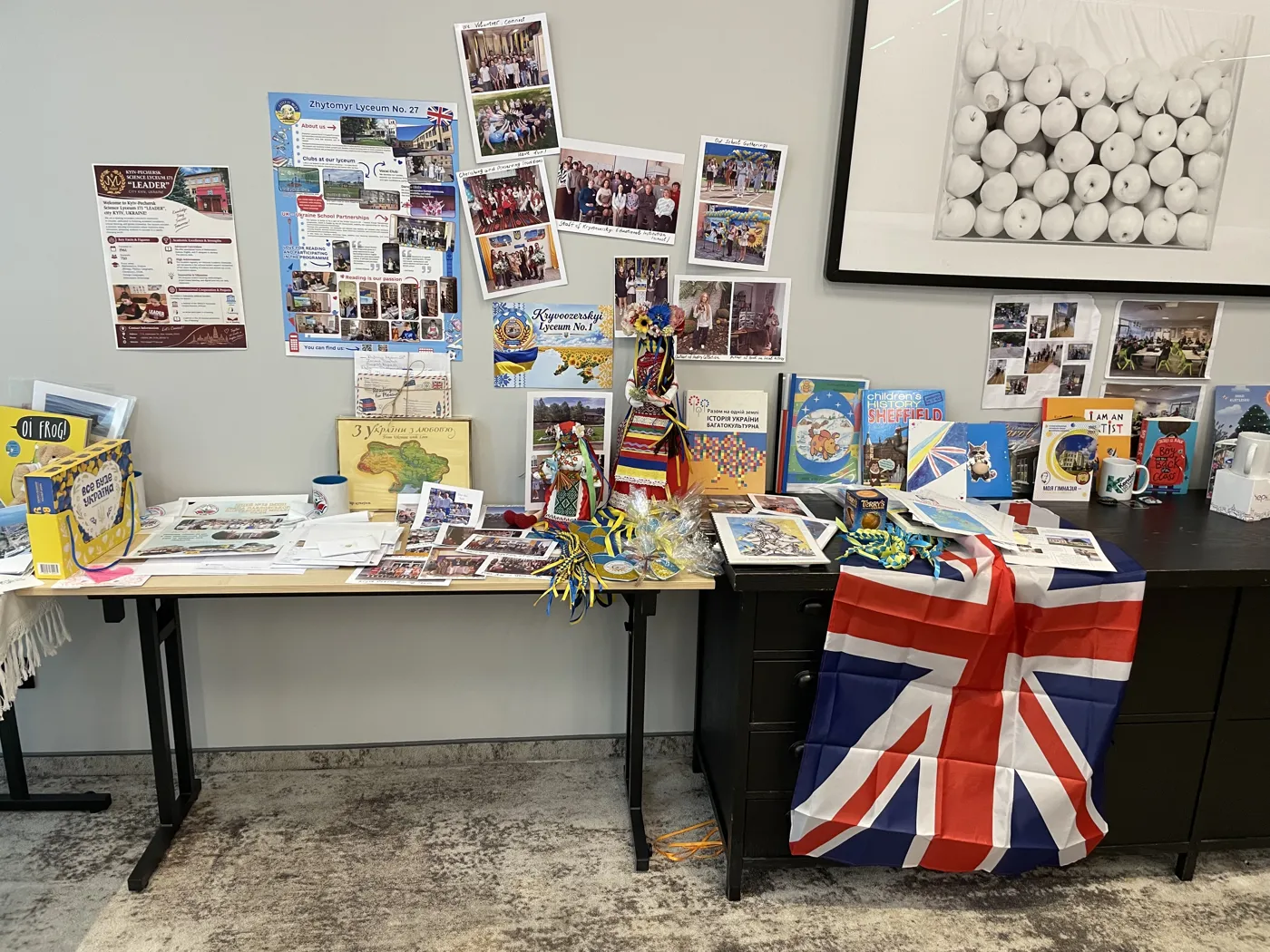
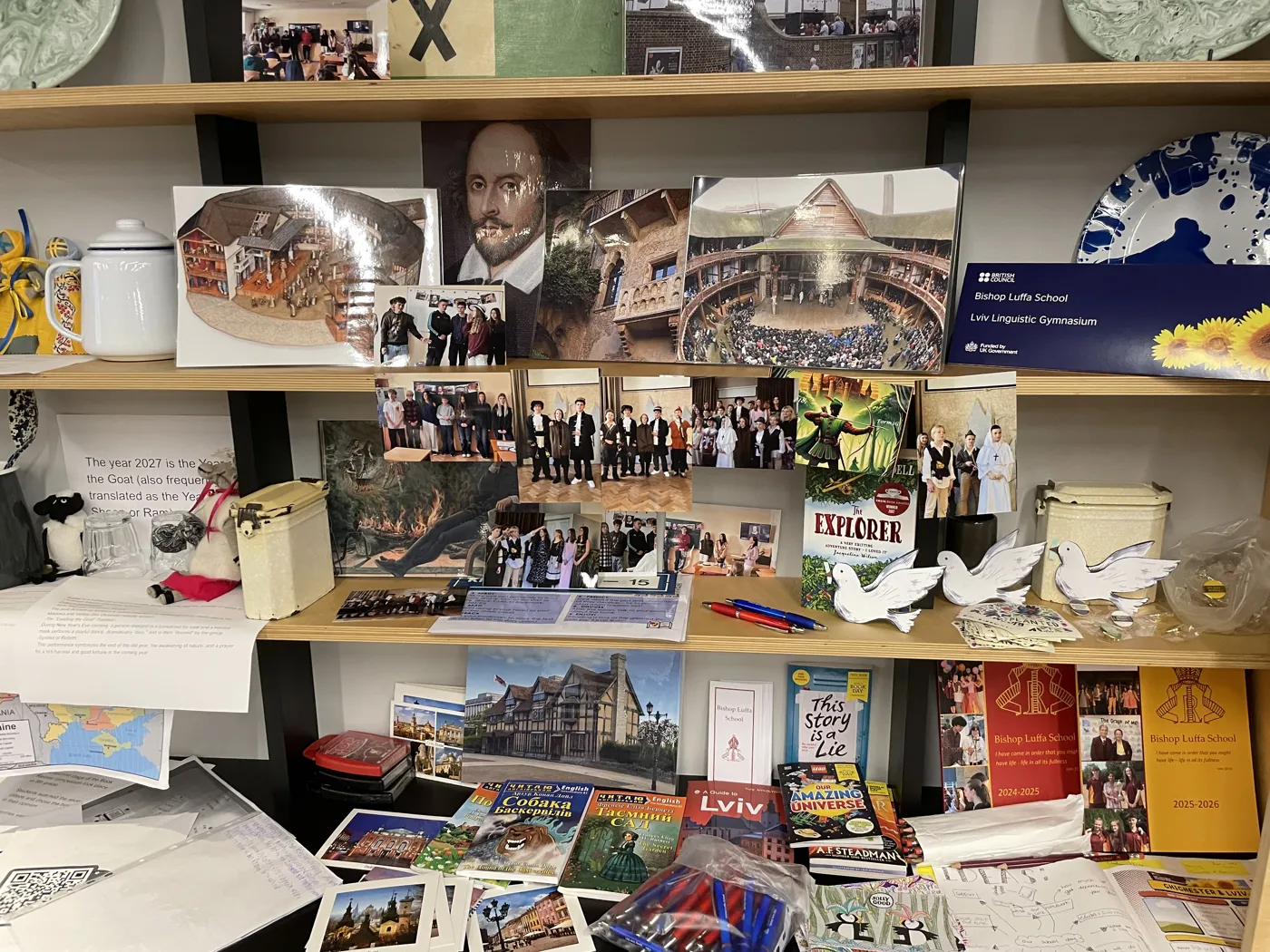
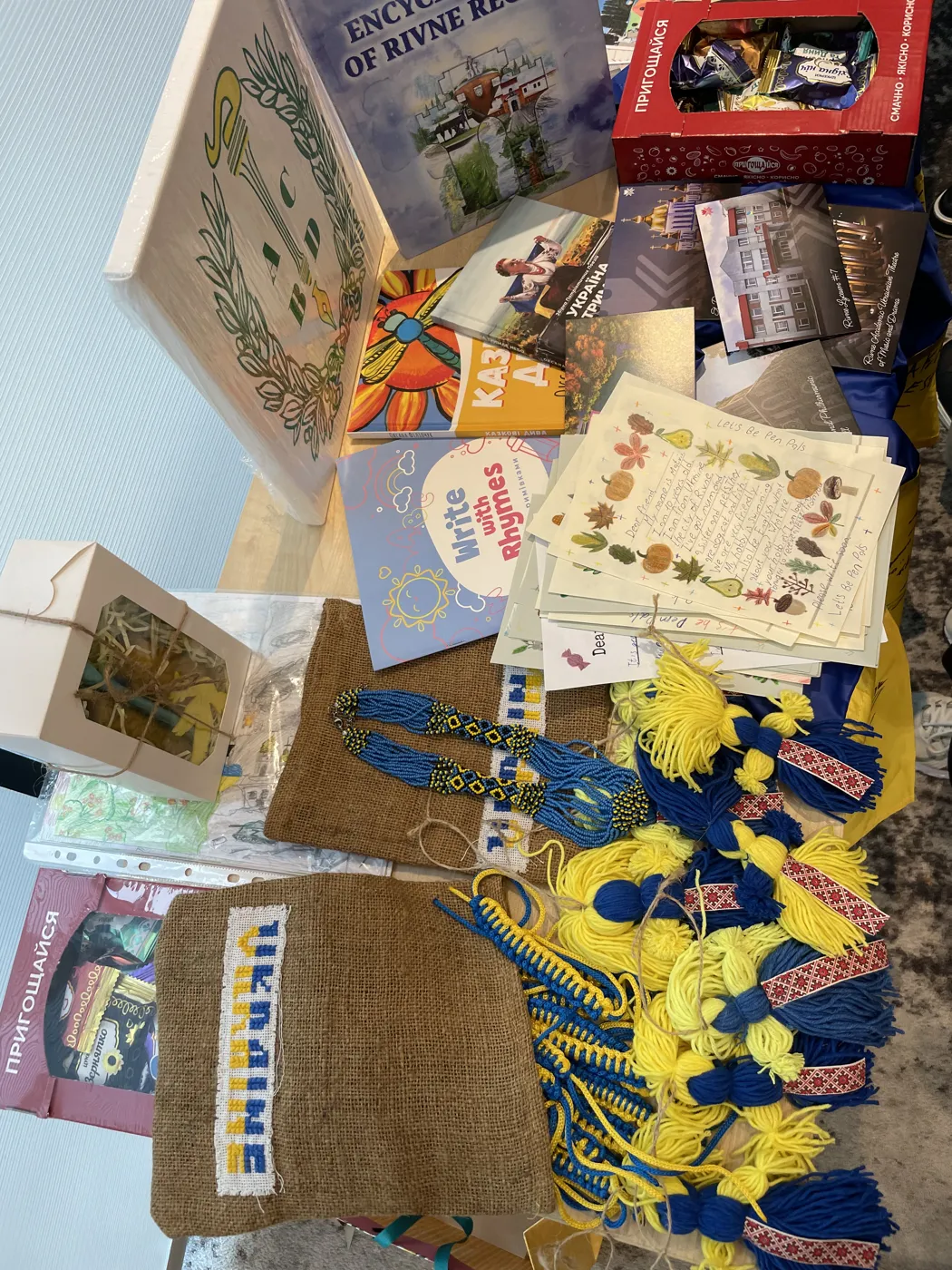
Schools brought displays of their towns, books and crafts to share in Krakow.
Have your say